I didn’t know my family was abusive until I was well into my teens. When you don’t know something is abnormal, you can’t develop defenses against it. You just absorb it as the way things are. How relationships work and what family means. You build your whole understanding of human connection on a foundation of dysfunction and wonder why nothing you build on top of it ever feels stable or safe.
I really thought family life was like that. The constant hostility and verbal abuse. The physical violence and complete absence of affection or warmth. Didn’t have a reference point for anything different. As a young boy, when seeing families on TV who hugged and said “I love you” to each other, I sincerely wondered if that was something invented for TV. If it actually existed in real life. The possibility that family members might actually like each other and support one another seemed as fictional as any other plot device designed to move stories along.
Bad things didn’t just happen. I didn’t realize they were bad so I had no way of understanding why I felt so wrong all the time and couldn’t connect with other people the way they seemed to with each other. Why every attempt at any relationship failed in similar ways. I was trying to solve a problem without being able to identify what it actually was.
The only thing that resembled care in my household was religious performance. My mother would say something like “may Jesus be with you” as I left for school each morning. Same phrase she’d use with anyone after talking with them on the phone or someone she briefly spoke with on the street. I believe this is what people now commonly refer to as virtue signaling. This wasn’t her way of saying “I love you” as I honestly don’t think she was even capable of saying that much less feeling it. It was a deliberate demonstration of her religiosity to any audience who might be watching or listening. Not expressing genuine empathy for the person in front of her.
I never heard “I love you” said by anybody to anyone while I was growing up. Those words simply didn’t exist in the vocabulary of our home. There were no hugs or affectionate touches. No moments of physical warmth that might have suggested anyone mattered to anyone else. The only time someone touched me was to shove me, push me, or hit me, which happened often enough I came to understand physical contact as inherently violent or threatening. This wasn’t occasional dysfunction but a total absence of anything resembling kindness or compassion.
What this did to me was create a warped understanding for what relationships are supposed to look like. You learn connection means tolerating mistreatment. That your needs don’t matter and expressing them will result in punishment, neglect or ridicule rather than support. And you end up learning all of this without having any alternative to compare it against.
I was naturally shy and introverted to begin with and being constantly yelled at, belittled, and threatened made me turn inward even more. Even in situations which made it possible for me to feel most at ease, I was always the least vocal and sociable person there. People would routinely ask why I was so quiet, treating my silence as strange or problematic, which reinforced my sense that something about me was fundamentally wrong.
This combination of innate temperament and psychological damage created its own kind of vulnerability. I was sensitive enough to pick up on social cues and introverted enough to struggle with the performance aspects of interacting with others. While also damaged enough to have no baseline understanding of what healthy relationships were supposed to look like. I was walking into every social situation with faulty equipment and a manual written in a language I couldn’t read.
Other kids could sense something was off about me even if they couldn’t explain what it was. Certain people could sense my desperation for friendship and complete lack of boundaries or self-protection.
I couldn’t recognize I was being used. Just thought I was being a good friend or family member and that meant taking whatever crap was thrown at me and allowing people to use me in whatever way they needed or wanted.
The pattern played out consistently across every interaction, whether with kids at school or relatives or anyone else. Someone would show me attention or include me in something and I’d interpret that as friendship. I’d provide whatever they wanted because it’s what I thought connection required. The situation would be entirely one-directional. Me giving and them taking, until eventually they’d ignore me or tell me to go away.
I’d be confused and hurt. Wondering what I’d done wrong. Not understanding the entire experience had been transactional from their perspective while being desperately important from mine. I was so psychologically impaired and desperate to not be completely alone I actually feared losing these “friendships” even though they provided nothing but another avenue for being used and discarded. Better to be someone’s lackey and emotional dumping ground than to have no one at all.
The realization I was being used only came much later. After the pattern repeated enough times that even my broken calibration system started picking up on the commonalities. But by then, the harm had compounded. I hadn’t just been mistreated by my family and exploited by people I’d deluded myself into believing were my friends but internalized all of it and become my own worst abuser. Building on the foundation they’d laid with a thoroughness that exceeded anything external.
This is how damage works when it starts early enough. You don’t learn you were mistreated by bad people who only saw you as someone to take advantage of. You learn abuse is what relationships are and you deserve it because something about you invites it. Every interaction that goes badly confirms what you’ve been taught to believe about yourself. Every person who uses you and disappears proves you’re unworthy of any affection and genuine friendship.
I had zero examples for what actual care looked like. Nothing to compare it to. The abuse from my family had never alternated with periods of love or warmth, so these toxic friendships were literally the closest thing to positive connection I’d ever experienced. Losing them felt like a real threat because from my limited perspective, this was as good as it got. Had no evidence that better existed or that I even deserved it if it did.
The silence I maintained when people treated me like shit wasn’t strength or strategy. It was learned helplessness calcified into a personality. I’d been so thoroughly trained that my mistreatment was normal and deserved I couldn’t even identify what was happening to me as wrong. Just absorbed it and tried to figure out how to be better and less of whatever I was that made people want to hurt me.
Around fourteen, something shifted. Not dramatically or with any sudden insight, just a slow accumulation of evidence the pattern wasn’t going away. Every encounter was the same. All attempts resulted in being used and discarded. The reality was becoming impossible to ignore. I was putting everything into these relationships and getting nothing back except confirmation of my worthlessness.
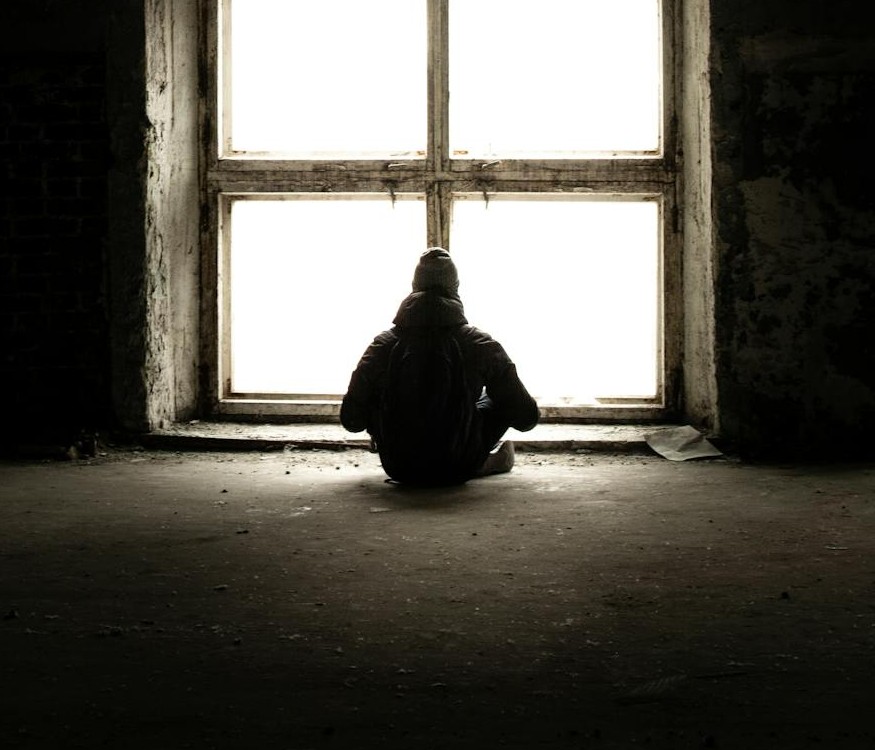
So I became even more withdrawn. Cut off contact with my so-called family and stopped trying to maintain the toxic friendships. Dropped out of school at sixteen and retreated.
I hadn’t found anything healthier to replace it with, withdrawal was just the only fix I could see. If every attempt at connection resulted in being wounded, the logical response was to stop trying.
This wasn’t recovery. It was damage control through isolation. I didn’t learn how to have healthy relationships but that relationships were the problem and other people were dangerous. Protection meant removing myself entirely from situations where I could be exploited.
When you spend your early years learning that relationships equal abuse and have no positive models for anything else then every failed attempt reinforces your worst beliefs about yourself. I hadn’t just developed psychological problems but an ingrained incapacity for creating a meaningful connection with anybody.
It’s also true that at some point, the withdrawal stopped being a response to anything and became an active ongoing choice.
Did it have to turn out this way? That’s the question I continually ask myself. If a naturally sensitive, introverted kid is raised in an environment of routine abuse where they never learn what healthy relationships look like and are released into a society where they’re desperate for acceptance and affection but have zero capacity for self-protection, is the outcome already written?
I don’t know if it’s inevitable for everyone in similar circumstances, but it feels like it in retrospect for me specifically. Every variable pointed in the same direction. Each step made sense given the information and resources I had at the time. But the accumulation of those choices within a broken system led to an outcome that looks completely irrational when I look at it from the outside.
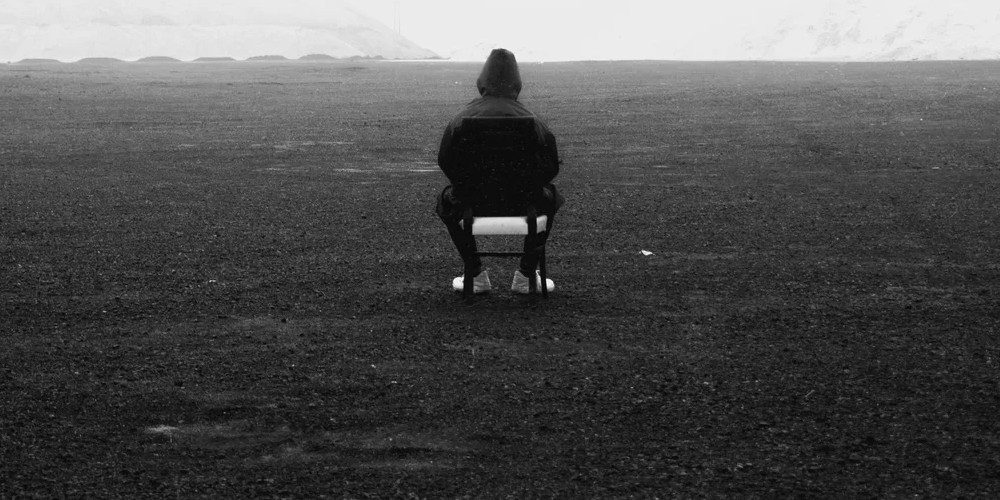
Isolation is what I know now. It’s comfortable in its predictability, even when it’s desperately lonely.
What I’m trying to say is how early trauma and innate temperament can conspire to create an outcome that feels both unchosen and certain. How it can set you on a trajectory that’s nearly impossible to escape. Learning all the wrong lessons about what relationships are before you have any way of recognizing them as wrong doesn’t just warp your entire capacity for human relationships but the very part of you needed to fix any of it.
Perhaps some people are just born for isolation. Not by choice, but because who we were and what took place at such a young age made every other path either impossible or more painful than just being alone. The harm taught us that other people are dangerous and repeated patterns confirmed it. Eventually, the lesson stuck so thoroughly we couldn’t unlearn it no matter how badly we wanted to.
This is what it looks like when you’re taught to hate yourself by those who were supposed to be responsible for teaching you that you matter. When you learn relationships mean exploitation and spend your childhood in an environment that systematically destroyed your ability for creating real intimacy with anyone.